Why the Eye Area Needs Targeted Care (Especially If You Get Botox or Filler)
The Eye Area Shows Everything First
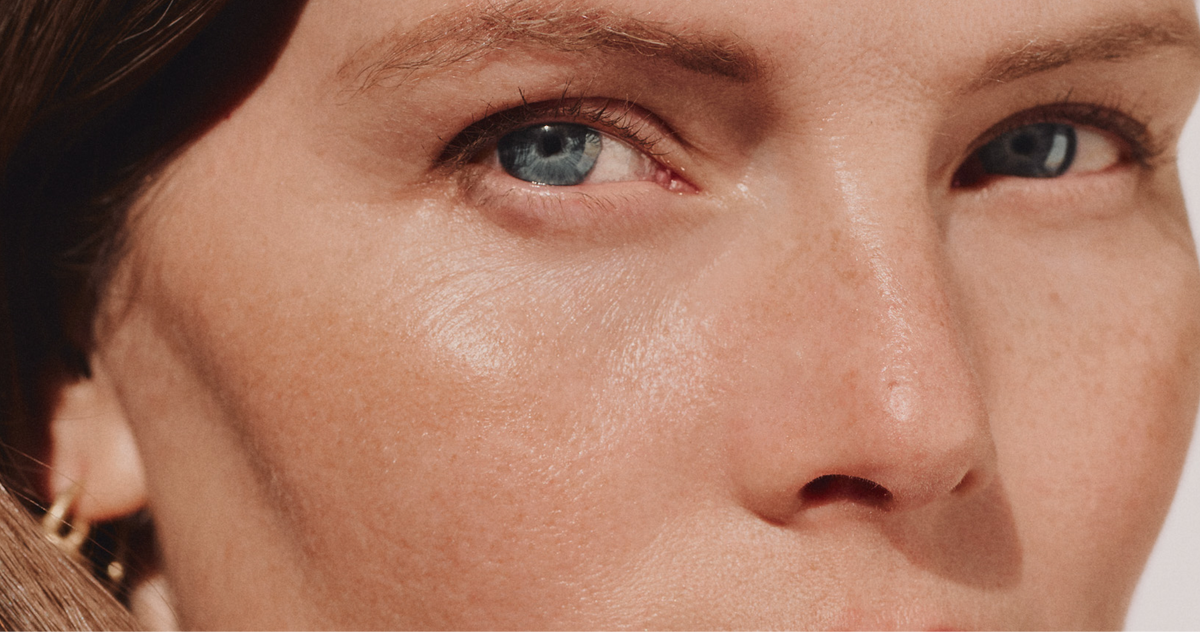
The eye area is one of the first places people notice visible aging, fatigue, and texture.
It is expressive. It is delicate. It moves constantly. It reflects sleep, stress, sun exposure, hydration, and genetics. It is also one of the most common areas people treat with Botox or filler.
But Botox and filler do not replace targeted eye-area skincare.
Botox can soften movement. Filler can support hollowing or contour in the right candidate. Lasers, peels, and energy-based devices can address texture, pigment, or crepiness depending on the concern.
Skincare supports the skin that carries all of those results.
That is why the eye area needs targeted care.
Why Is the Eye Area Different?
The skin around the eyes is thinner and more delicate than many other areas of the face. It is also exposed to repeated movement from blinking, smiling, squinting, and facial expression.
The periorbital region is often described in dermatology as a visible marker of chronologic and environmental aging. Treatments for periorbital rejuvenation have historically included topical retinoids, chemical peels, lasers, botulinum toxin, fillers, and surgical approaches depending on anatomy and concern. [1]
For a skincare routine, the important point is this: the eye area cannot be treated exactly like the rest of the face.
It needs precision.
The Most Common Eye-Area Concerns
Crow’s Feet
Crow’s feet are expression lines that appear around the outer corners of the eyes, often from smiling or squinting.
Procedure role: Botox can soften the muscle movement that contributes to crow’s feet.
Skincare role: targeted care can support the look of fine lines, smoothness, firmness, and hydration in the area.
Crepiness
Crepiness is a thin, finely textured look that can make the eye area appear dry or less firm.
Procedure role: lasers, peels, or RF microneedling may be appropriate depending on the patient.
Skincare role: hydration and targeted fine-line support can help the area look smoother and more refreshed.
Under-Eye Hollowing
Under-eye hollowing can be related to anatomy, volume shifts, shadowing, or facial structure.
Procedure role: under-eye filler may be considered in carefully selected patients.
Skincare role: skincare cannot replace filler for structural hollowing, but it can support texture, hydration, and a more rested look.
Fine Lines
Fine lines around the eyes may come from expression, dryness, collagen changes, or surface texture.
Procedure role: Botox may help expression-driven lines; lasers or resurfacing may help texture.
Skincare role: targeted care can support the look of fine lines and wrinkles between appointments.
Pigment and Shadow
Darkness around the eyes can come from pigment, vascular tone, hollowing, skin thickness, or shadow.
Procedure role: lasers, peels, filler, or other treatments may be considered depending on cause.
Skincare role: skincare can support hydration and radiance, but not every dark-circle concern is a skincare problem.
Botox Around the Eyes: What It Can and Cannot Do
Botox is often used for crow’s feet because those lines are created in part by repeated muscle movement.
Botox can help soften movement around the outer eye area. It can make crow’s feet appear less visible. It can also help the eye area look more rested when used appropriately.
But Botox does not hydrate the skin. It does not replace collagen support. It does not correct all under-eye hollowing. It does not improve every texture concern. And it does not mean the eye area no longer needs skincare.
Botox works on movement.
Skincare supports the look of the skin where that movement shows.
Filler Around the Eyes: What It Can and Cannot Do
Under-eye filler can be helpful for select patients with tear trough hollowing or shadowing caused by volume deficit.
But the under-eye area is technically demanding. It requires careful patient selection, anatomy knowledge, conservative technique, and an experienced injector.
Filler is not appropriate for every under-eye concern. Puffiness, fluid retention, skin laxity, pigmentation, and certain anatomy patterns may not improve with filler and can sometimes look worse if treated incorrectly.
Skincare cannot replace under-eye filler when the issue is structural. But filler also cannot replace skincare when the issue is fine texture, dryness, dullness, or surface quality.
Both tools have limits. Both can be useful. The key is knowing which concern you are treating.
What Targeted Eye-Area Care Should Do
A targeted eye-area product should support the concerns that appear where expression, thin skin, and texture meet.
The goal is to help the area look:
-
Smoother
-
Firmer
-
More hydrated
-
More refreshed
-
More rested
-
Better maintained between appointments
This is not about treating the entire face with one product and hoping it performs the same everywhere.
The eye area needs targeted care because it behaves differently.
Where Wrinkle Pen Fits
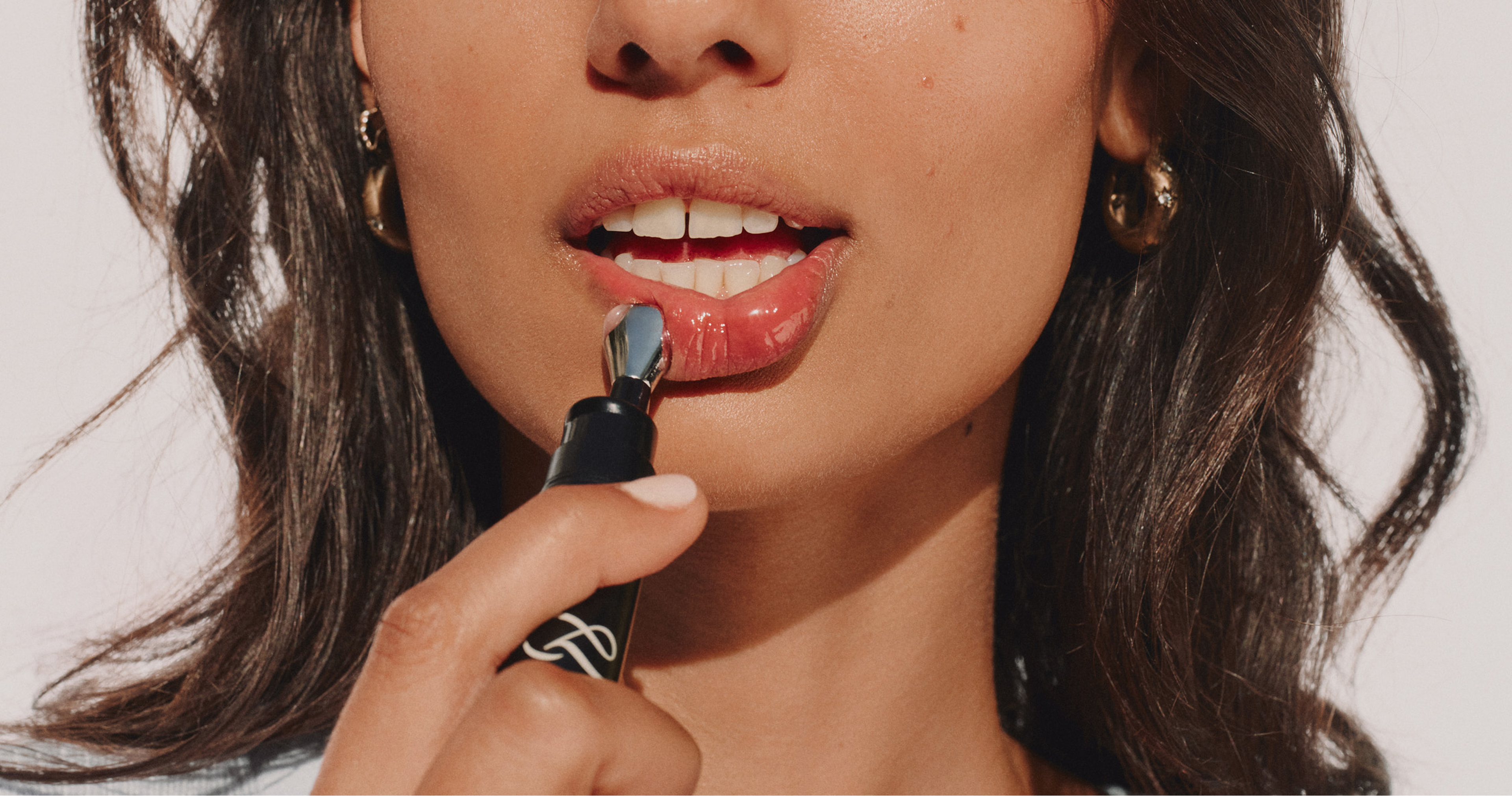
Wrinkle Pen is designed for expression-prone areas, including around the eyes and crow’s feet.
It is not Botox. It does not freeze movement. It does not replace filler. It does not change the structure of the under-eye.
It supports the look of the skin in the areas where fine lines and expression-related changes are most visible.
In a 4-week clinical study, 100% of subjects showed improvement in the look of fine lines and wrinkles.** In consumer perception testing, 90% agreed fine lines and crow’s feet around the eyes were less visible, 90% agreed the eye area appeared firmer, and 90% agreed eyes looked well-rested and refreshed.*
This makes Wrinkle Pen especially relevant between Botox appointments, when movement begins to return and fine lines around the eyes can become more visible again.
It also makes it useful for anyone who wants targeted care around expression-prone areas, whether or not they get injectables.
Where Facial Serum Fits
Facial Serum supports the full-face conditions that make the eye area look more seamless in context: hydration, radiance, and texture.
This matters because eye-area rejuvenation does not exist in isolation. A smooth crow’s foot area looks more natural when the surrounding skin is hydrated, radiant, and well maintained.
In a 4-week clinical study, 100% of subjects saw an instant improvement in hydration, 97% showed improvement in skin hydration after 4 weeks, 79% showed improvement in skin radiance/luminance after 4 weeks, and 76% showed improvement in skin texture after 4 weeks.**
Wrinkle Pen is the targeted step. Facial Serum is the full-face support.
Together, they create a more complete maintenance routine.
When More Treatment Is Not the Answer
It is common for patients to think they need more Botox or filler when the eye area starts to look tired.
Sometimes that is true.
But sometimes the issue is dryness. Or crepiness. Or surface fine lines. Or poor hydration. Or a full-face routine that is not supporting the skin between appointments.
More injectable is not always the most precise solution.
A better question is: what is causing the concern?
Movement. Hollowing. Texture. Pigment. Dryness. Laxity. Each needs a different strategy.
The Bottom Line
The eye area needs targeted care because it is high-movement, high-visibility, and structurally delicate.
Botox can soften crow’s feet. Filler can support hollowing in the right patient. Lasers or devices can address texture or pigment when appropriate. But skincare supports the visible quality of the skin between all of it.
That is the role of Wrinkle Pen: targeted care for expression-prone areas where fine lines and wrinkles tend to show first.
FAQ
Why do fine lines show around the eyes first?
The eye area is thin, expressive, and constantly moving. Repeated smiling, squinting, blinking, dryness, sun exposure, and collagen changes can all contribute to visible fine lines.
Can Botox fix crow’s feet?
Botox can soften the muscle movement that contributes to crow’s feet, but it does not hydrate the skin or address every texture concern.
Can skincare replace Botox around the eyes?
No. Skincare cannot replace Botox. Botox works on movement; skincare supports the look of the skin in expression-prone areas.
Can skincare replace under-eye filler?
No. Skincare cannot replace filler when the issue is structural hollowing. But skincare can support hydration, texture, fine lines, and a more refreshed appearance.
Where should I use Wrinkle Pen?
Wrinkle Pen can be used on targeted expression-prone areas, including around the eyes, crow’s feet, forehead lines, between the brows, smile lines, nasolabial folds, and marionette lines.
References and Study Footnotes
[1] Manaloto RM, Alster TS. Periorbital rejuvenation: a review of dermatologic treatments. Dermatologic Surgery. 1999.
[2] Kim KE, et al. Periorbital Skin Rejuvenation Using Microneedle Fractional Radiofrequency. 2023.
[3] Satriyasa BK. Botulinum toxin A for reducing the appearance of facial wrinkles. 2019.
*Based on a 4-week consumer perception study of 30 female subjects using the product as directed. Results reflect subjects who agreed or strongly agreed after 4 weeks of use.
**Wrinkle Pen: Based on a 4-week clinical study of 30 female subjects using the product morning and evening. Eye-area fine lines and wrinkles were measured by VISIA® CR imaging and ImagePro® image analysis.
**Facial Serum: Based on a 4-week clinical study of 29 female subjects using the product once daily in the morning. Hydration was measured by Corneometer®; skin texture and radiance/luminance were measured by VISIA® CR imaging and ImagePro® image analysis.
This article is for educational purposes and does not constitute medical advice. Always consult a board-certified dermatologist when it comes to personalized advice.